

What Is an FRP Toothed Tube?
An FRP toothed tube is a fiberglass-reinforced polymer profile with a toothed, grooved or otherwise textured surface. Unlike a smooth fiberglass tube, its surface geometry may be designed to provide additional mechanical interaction with surrounding materials or connected components.
FRP tubes are used in composite and industrial applications where properties such as corrosion resistance, low weight and electrical insulation may be important. When considering a toothed tube, however, the surface profile should be evaluated alongside the tube's material, dimensions, connection method and intended operating conditions.
This guide explains the key differences between toothed and smooth FRP tubes, potential application areas, and the information buyers should confirm before placing an order.
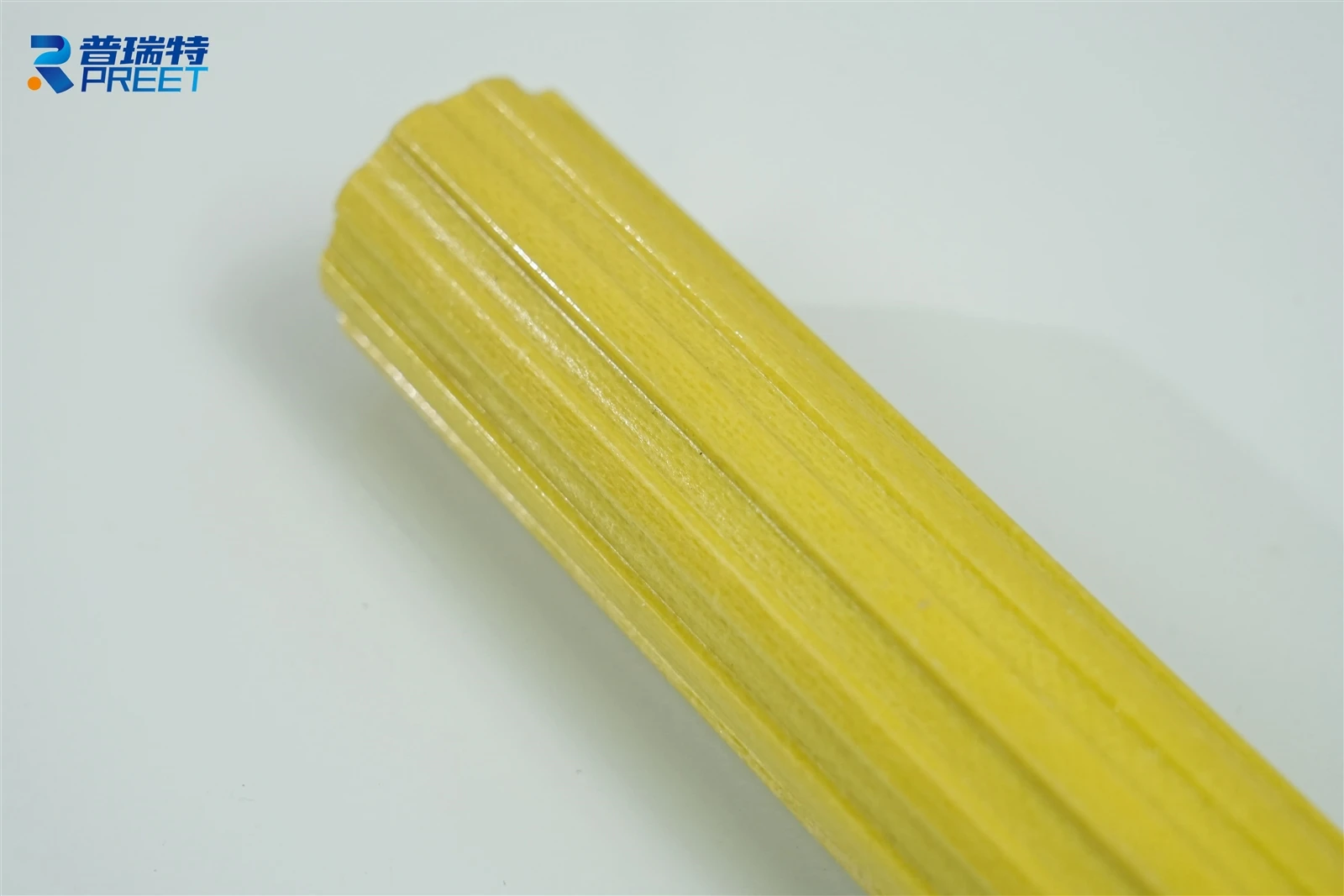
How Does a Toothed Surface Differ from a Smooth FRP Tube?
The most visible difference is the external surface geometry. A smooth FRP tube has a relatively even outer surface, while a toothed or grooved tube incorporates repeated surface features. Depending on the design, these features may affect contact, friction or interaction with another material.
| Comparison Point | FRP Toothed Tube | Smooth FRP Tube |
|---|---|---|
| Outer surface | Includes teeth, grooves or other specified surface features | Relatively even surface |
| Material interaction | Surface geometry may improve mechanical engagement in a suitable design | Interaction depends on the surface, joining method and surrounding material |
| Design considerations | Tooth shape, spacing, depth and compatibility with the assembly | Outer diameter, wall thickness and connection requirements |
| Selection priority | Confirm that the surface pattern serves a defined function | Confirm that the standard surface and tube geometry suit the application |
A toothed surface does not automatically guarantee higher strength, better bonding or greater load capacity. Actual performance depends on the complete tube design, material system, manufacturing quality and how the profile is installed.
How Are Pultruded FRP Toothed Tubes Made?
Pultrusion is a continuous manufacturing process commonly used to produce FRP profiles with a consistent cross-section. Fiberglass reinforcements are combined with a resin system and pulled through a forming and curing process. The resulting profile is produced in a defined shape along its length.
For a toothed tube, the surface geometry must be considered as part of the product design. Buyers should confirm that the required tooth or groove pattern can be manufactured consistently and that the finished dimensions are appropriate for the intended assembly.
When reviewing a supplier's manufacturing information, consider the following:
- Surface geometry: Confirm the specified tooth or groove pattern using a drawing or sample.
- Dimensional consistency: Ask which dimensions and tolerances are controlled during production.
- Material system: Confirm the fiberglass reinforcement and resin requirements for the operating environment.
- Quality inspection: Establish which dimensional and visual checks are included with the supplied product.
Potential Applications of FRP Toothed Tubes
The suitability of a toothed FRP tube depends on the function of its surface features and the requirements of the overall system. The following are potential application areas to evaluate with the manufacturer and project engineer.
Composite Bonding and Embedded Assemblies
Where a tube must interact with an adhesive, matrix or surrounding material, a defined surface profile may be considered to improve mechanical engagement. The actual bonding performance must be verified for the selected materials and installation process. Do not assume that a toothed tube is suitable for concrete reinforcement or another embedded application without application-specific engineering confirmation.
Industrial Components and Supports
FRP profiles may be considered for selected industrial components where resistance to corrosion or electrical insulation is required. A toothed tube may be useful when its surface geometry supports the intended connection or assembly, but its structural role must be confirmed against the design requirements.
Mechanical Connections
Some assemblies rely on the interaction between a profile and a mating component. In these situations, the tube's external dimensions and tooth pattern must match the connection design. Buyers should provide drawings of both the tube and the mating component when requesting technical review.
Moisture- or Corrosion-Exposed Environments
FRP materials can be considered in certain wet, coastal or industrial environments where corrosion of conventional metal components is a concern. Chemical compatibility depends on the resin system, concentration, temperature and exposure duration. Confirm the suitability of the specific product rather than relying on the general properties of FRP alone.
What Should You Check When Selecting an FRP Toothed Tube?
Choosing a toothed tube involves more than selecting a diameter. The surface pattern, wall construction, material specification and installation method all affect whether the product is appropriate for the intended use.
1. Define the Purpose of the Teeth or Grooves
Explain what the surface features are expected to do. For example, are they intended to engage with another component, interact with an adhesive or provide a defined contact profile? A clear functional requirement helps the supplier assess the appropriate geometry.
2. Confirm the Tube Dimensions
Provide the required outer dimensions, wall thickness, length and cross-sectional drawing. If the project depends on a particular tooth profile, include its dimensions and tolerances in the drawing. Do not rely on a product photograph alone to define manufacturing specifications.
3. Review the Material and Operating Environment
Specify the expected exposure to water, chemicals, ultraviolet radiation and temperature changes. Ask the manufacturer to confirm a suitable resin and reinforcement system based on the actual service conditions.
4. Verify Mechanical Requirements
If the tube will carry loads, transfer forces or form part of a structural connection, provide the loading conditions, support arrangement and connection details. Request relevant technical data and engineering confirmation. Surface teeth alone do not establish the allowable load or structural capacity.
5. Confirm Manufacturing and Inspection Details
Before ordering, agree on the drawing revision, critical dimensions, surface-profile requirements, inspection criteria, sample approval and packaging. These details are especially important for custom profiles or assemblies that depend on close dimensional compatibility.
FRP Toothed Tube vs. Other Fiberglass Profiles
FRP toothed tubes are one option within a wider range of fiberglass profiles. Other profile types may be more suitable when the project requires a different cross-section or connection geometry.
- FRP pultrusion profiles – review the broader range of fiberglass structural shapes.
- FRP square tube – consider a square cross-section for compatible framing and support applications.
- Fiberglass rectangular tube – review rectangular profile options for assemblies that require this geometry.
- Fiberglass pultruded rods – explore solid rod profiles where a hollow tube is not required.
These products are not automatically interchangeable. The correct choice depends on the required geometry, loads, connection method and environmental conditions.
What Information Should You Send to a Manufacturer?
For a more efficient quotation and technical review, prepare the following information:
- Intended application and operating environment
- Required tube dimensions and wall thickness
- Drawing of the tooth or groove pattern
- Required length per piece and total quantity
- Resin or material requirements, if specified by the project
- Connection details and the function of the surface pattern
- Relevant load, temperature and chemical-exposure conditions
- Required tolerances, testing documents and inspection criteria
- Packaging and delivery requirements
If a standard product does not meet the requirements, provide a drawing and ask whether a custom profile can be evaluated. Confirm the final technical specification and manufacturing feasibility with the supplier before production.
Frequently Asked Questions
What is the main difference between an FRP toothed tube and a smooth FRP tube?
The main difference is the outer surface. A toothed tube has a defined pattern of teeth or grooves, while a smooth tube has a relatively even surface. Whether the patterned surface provides a practical advantage depends on the application and connection design.
Does a toothed surface always improve bonding strength?
No. A patterned surface may improve mechanical engagement in a suitable assembly, but bonding performance depends on the materials, surface geometry, adhesive or matrix, preparation and installation process. Confirm performance for the intended application.
Can FRP toothed tubes be used in corrosive environments?
Potentially, depending on the selected resin system, chemical exposure, temperature and operating conditions. The manufacturer should confirm material compatibility for the specific environment.
Can I request a custom tooth pattern?
Custom requirements can be discussed with the manufacturer. Provide a cross-sectional drawing, dimensions, tolerances, required length and intended function so that feasibility can be assessed.
How do I determine the load capacity of an FRP toothed tube?
Load capacity cannot be established from the surface pattern or dimensions alone. It depends on the complete profile, material properties, support conditions, connection details and loading configuration. Request appropriate technical data and engineering verification before using the tube in a load-bearing application.
Conclusion
FRP toothed tubes combine a fiberglass composite profile with a defined surface pattern that may be useful in selected bonding, connection or industrial assembly applications. Their suitability depends on the relationship between the surface geometry, tube dimensions, material system and installation method.
Before choosing a toothed tube, define the purpose of the surface features, confirm the required dimensions, and review the operating environment and mechanical requirements. Where the application is structural or safety-critical, obtain the relevant technical data and engineering confirmation rather than assuming performance from the profile shape alone.
Contact PREET for FRP Toothed Tube Information
If you are sourcing FRP toothed tubes or evaluating a custom fiberglass profile, send PREET your drawings, dimensions, quantity and application details for review.
WhatsApp: Contact PREET on WhatsApp
Email: info@preet.cn


