

What Are FRP Grating Clips?
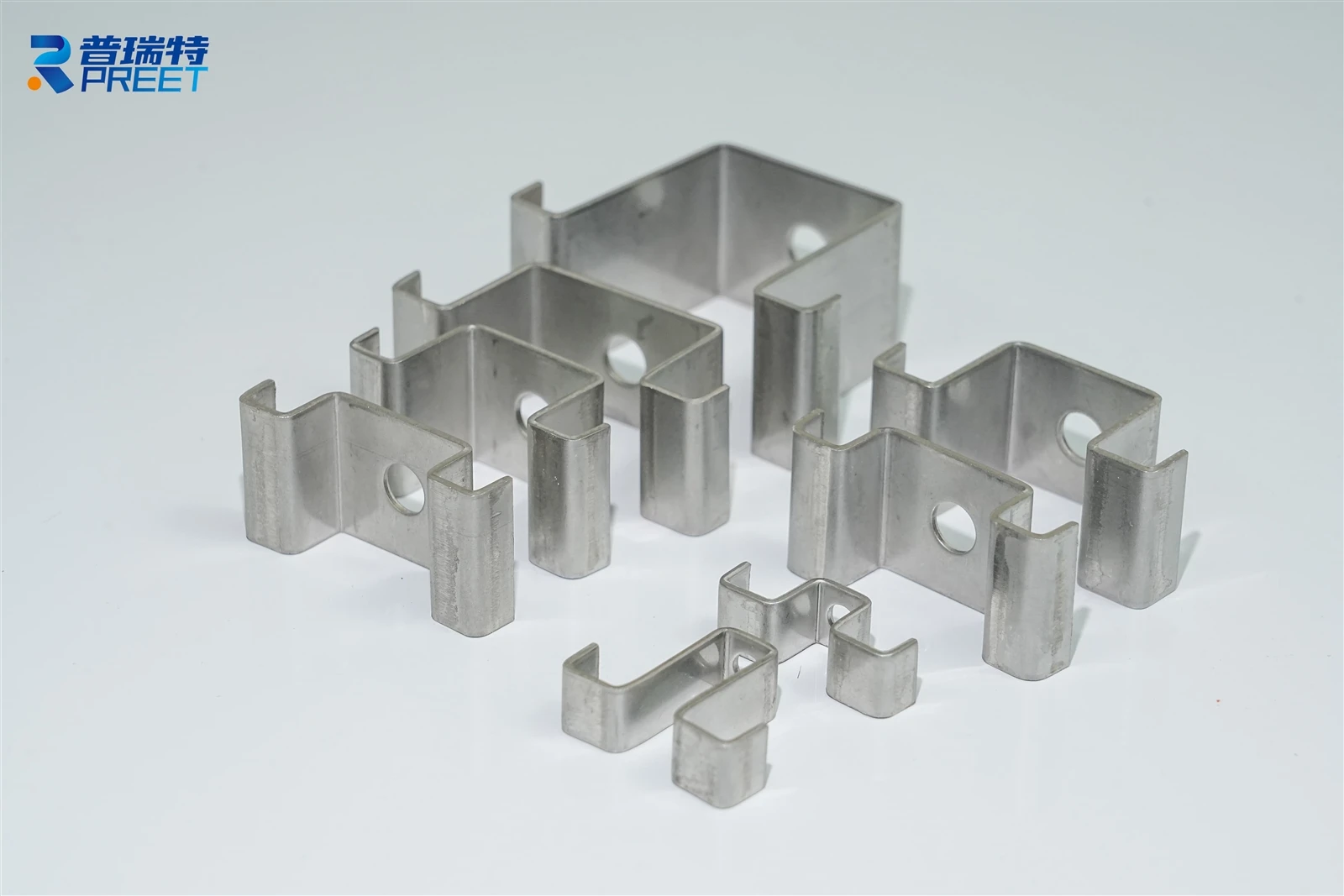
FRP grating clips are fastening accessories used to secure fiberglass-reinforced plastic grating panels to their supporting structure. They help hold panels in position and reduce unwanted movement when the grating is used for industrial flooring, walkways, platforms and similar installations.
Correct fastening is an important part of a complete grating installation. Even when the grating panel itself is suitable for the application, an incompatible or incorrectly installed fastening system can affect panel stability and maintenance requirements.
FRP grating clips should be selected according to the grating construction, panel thickness, supporting structure, environmental conditions and project requirements. The correct clip type and installation method should be confirmed before work begins.
Why Are Grating Clips Important?
Grating clips provide a mechanical connection between a grating panel and its supporting structure. Their purpose is not simply to hold the panel in place during installation; the fastening arrangement must also suit the expected operating conditions.
- Panel restraint: Properly selected clips help keep panels in their intended position.
- Installation consistency: A defined fastening method helps installers secure panels according to the project requirements.
- Maintenance access: Depending on the clip design, panels may be removable for inspection or access to equipment below.
- System compatibility: Clips must suit the grating profile and the supporting members to which they are attached.
- Environmental suitability: Fastener materials and finishes should be appropriate for moisture, chemicals and other site conditions.
Clips alone do not determine the load capacity of a grating installation. Panel span, support layout, loading conditions, connection details and the number and location of fasteners must all be considered.
Common Types of FRP Grating Fastening Clips
Grating fastening systems can use different clip designs depending on the panel construction and support arrangement. Product names and configurations vary between suppliers, so the actual shape and compatibility should be verified against the manufacturer's product information.
M Clips
M-shaped clips are commonly associated with fastening arrangements that engage the edges of grating bars. The exact suitability depends on the grating mesh, panel thickness, support configuration and clip design.
Before ordering, confirm that the clip can engage the intended grating profile and that the fixing method is compatible with the supporting structure.
C Clips
C-shaped clip designs may be used in fastening arrangements where the clip geometry fits around or engages the grating and its support. The name alone does not define the full installation method, so confirm the manufacturer's drawing and assembly instructions.
L Clips
L-shaped fastening components may be used in certain panel-to-support arrangements. Their suitability depends on the geometry of the grating edge, the supporting member and the specified attachment method.
Other Fastening Configurations
Some installations require alternative clip geometries or customized fixing details. For unusual panel profiles, support members or environmental conditions, provide the grating and support drawings to the supplier and request confirmation of a compatible fastening solution.
Important: The clip descriptions above explain common shape-based terminology, not a confirmation that every type is available in the PREET product range. Check current product availability and the relevant technical drawings before specifying a particular clip.
How to Choose the Right FRP Grating Clips
1. Identify the Grating Type
Start by identifying whether the panel is molded FRP grating, pultruded FRP grating or another grating construction. The panel geometry affects how a clip can engage the grating and how the connection should be installed.
Provide the supplier with the grating type, mesh dimensions, panel thickness and any relevant edge details. If the product designation is unknown, a drawing or clear photograph can help with identification.
2. Check the Supporting Structure
The clip must be compatible with the structure supporting the panel. Confirm the support material, member dimensions, flange or bearing surface and proposed fastening method.
For example, a fastening arrangement designed for one support profile may not fit another profile with a different width or geometry. Do not assume that a clip is universally compatible with all steel, aluminum or FRP supports.
3. Consider the Operating Environment
Industrial grating may be installed in wet areas, chemical processing facilities, wastewater treatment plants, coastal environments or outdoor platforms. These conditions can affect the choice of clip material and fastener finish.
Confirm chemical exposure, moisture, temperature and any other relevant environmental factors. The clip and its associated fasteners should be suitable for the actual installation conditions.
4. Define the Required Fixing Arrangement
The number and location of clips should follow the project design and the grating manufacturer's installation recommendations. Consider panel dimensions, support locations, edges, joints and any areas subject to special operating requirements.
Do not select clip quantities based solely on panel size or a general rule of thumb. The required arrangement depends on the specific grating system, support layout and design conditions.
5. Confirm Fastener Compatibility
Where a clip uses bolts, nuts or other separate fasteners, confirm that the complete assembly is compatible. Check dimensions, material suitability, installation access and the manufacturer's specified tightening procedure.
Over-tightening or using unsuitable fasteners may damage components or result in an unreliable connection. Follow the applicable installation instructions rather than applying an assumed tightening value.
FRP Grating Clip Installation: Key Checks
Installation procedures vary by clip design and grating system. The following checks provide a general framework; the manufacturer's instructions and project specifications take priority.
- Inspect the materials. Check that the grating panels, clips and fasteners match the approved specification and are free from visible damage.
- Verify the support layout. Confirm that support members are positioned according to the installation drawings.
- Position the panel. Place the grating on its intended supports and check alignment, bearing and joint locations.
- Fit the clips. Install the specified clips at the approved locations using the correct fastening components.
- Secure the connections. Follow the manufacturer's instructions for tightening and engagement. Avoid modifying the clip or panel unless the procedure has been approved.
- Inspect the finished installation. Check that panels are properly seated, connections are complete and no obvious movement or damage is present.
- Document any exceptions. Report mismatched components, damaged grating, unsupported edges or deviations from the installation drawing before the area is put into service.
Where panels need to be removed for maintenance, make sure the removal and reinstallation process follows the specified procedure. Recheck the fastening arrangement before returning the area to service.
Common FRP Grating Clip Selection Mistakes
Choosing Clips by Appearance Alone
Two clips may look similar but differ in dimensions, engagement geometry or intended application. Confirm the part drawing and compatibility rather than selecting by appearance alone.
Ignoring Panel Thickness and Mesh Geometry
The clip must fit the actual grating profile. A mismatch may prevent correct engagement or make installation difficult. Always provide the exact grating information when requesting clips.
Overlooking the Support Member
A clip suitable for one support configuration may not be suitable for another. Check the support dimensions and the intended attachment method before finalizing the fastener selection.
Using Unsuitable Fastener Materials
In corrosive environments, the clip and associated fasteners need to be evaluated as a complete assembly. Consider the exposure conditions and confirm the recommended materials with the supplier.
Assuming Clips Determine Structural Capacity
Grating system performance depends on the panel, support layout, fasteners and installation details together. A fastening accessory does not by itself establish the allowable load or span of a grating panel.
FRP Grating Clips for Industrial Applications
Fastening requirements vary across industrial environments. The following examples illustrate the factors to review when specifying clips for different installations.
Industrial Walkways and Platforms
For walkways and elevated platforms, confirm the panel support arrangement, edge restraint, joints and the fastening method specified by the system designer. Ensure the completed installation is inspected before use.
Wastewater Treatment Facilities
Moisture and treatment chemicals may affect the suitability of fastening materials. Review the operating environment and confirm compatibility of the clip and fastener assembly with the expected exposure.
Chemical Processing Areas
Where corrosive chemicals are present, the fastening system should be selected based on the actual chemical conditions, not a general description of the facility. Request material compatibility information when needed.
Outdoor and Marine Installations
Outdoor installations may involve rain, salt exposure, ultraviolet radiation and temperature changes. Check the suitability of the complete fastening assembly and include connection inspection in the maintenance plan.
What Information Should You Provide When Ordering?
To help the supplier identify compatible FRP grating clips, prepare the following details:
- Grating type and product designation.
- Panel thickness and mesh dimensions.
- Panel dimensions and edge configuration.
- Support material, profile and dimensions.
- Required clip design, if already specified.
- Environmental conditions, including moisture and chemical exposure.
- Required quantity and installation locations.
- Drawings, photographs or existing component references.
- Project-specific inspection or documentation requirements.
If you are replacing existing clips, provide photographs and dimensions of the current components. The supplier should confirm whether the replacement is compatible before an order is finalized.
Explore Related FRP Products
FRP grating clips are one part of a complete grating installation. Review the related product categories to coordinate the panels, supports and fastening accessories.
- FRP Grating – explore fiberglass grating products for compatible flooring and walkway systems.
- Molded FRP Grating – review molded grating options.
- Anti-Slip FRP Grating – explore grating designed for applications where surface traction is a consideration.
- FRP Pultrusion Profiles – review fiberglass profiles that may be used in compatible structural assemblies.
Always confirm that the chosen clips, grating panels and supporting members are designed to work together. Product category links are a starting point, not a substitute for checking the relevant drawings and installation instructions.
Frequently Asked Questions
Do all FRP grating panels use the same clips?
No. Clip compatibility depends on the grating construction, panel geometry, support arrangement and fastening system. Confirm the required clip with the grating supplier.
Can FRP grating clips be used with steel supports?
Some fastening systems may be designed for grating installed on steel supports, but compatibility must be confirmed for the specific clip and support profile. Check the fixing method and fastener requirements before installation.
How many clips are required for one grating panel?
The required quantity depends on the panel dimensions, support layout, edge conditions, clip design and project specifications. Follow the applicable installation instructions rather than assuming a universal quantity.
Can grating clips be reused after removing a panel?
Reuse depends on the clip design, condition, fastening method and manufacturer's instructions. Inspect removed components and replace damaged or unsuitable parts as required.
Do grating clips increase the load capacity of an FRP panel?
Clips secure the panel to its supports, but they do not independently determine the panel's load capacity. The complete system must be evaluated using the grating specifications, support conditions, connection details and design loads.
Conclusion
FRP grating clips are important installation accessories for securing fiberglass grating panels to compatible supports. Selecting the correct fastening system requires attention to the grating geometry, support structure, operating environment and manufacturer's installation requirements.
Before ordering, confirm clip compatibility using product drawings and provide the supplier with the panel and support details. During installation, follow the specified fastening procedure and inspect the completed connections to help ensure that the grating system is assembled as intended.
Contact PREET for FRP Grating Clips
Looking for fastening accessories for an FRP grating project? Send PREET your grating specifications, support details, required quantity and application information to confirm compatible options.
WhatsApp: Contact PREET on WhatsApp
Email: info@preet.cn


